
Towa and the Guardians: A Relentless Struggle Against Hades’s Shadow in a Dark RPG Odyssey





Popular Now
 Grand Theft Auto V
 Toca Boca World
 Rust
Rust
 Free Fire
 Geometry Dash
 Free Fire Max
 Stumble Guys
 Genshin Impact
 Black Myth: Wukong
 R.E.P.O
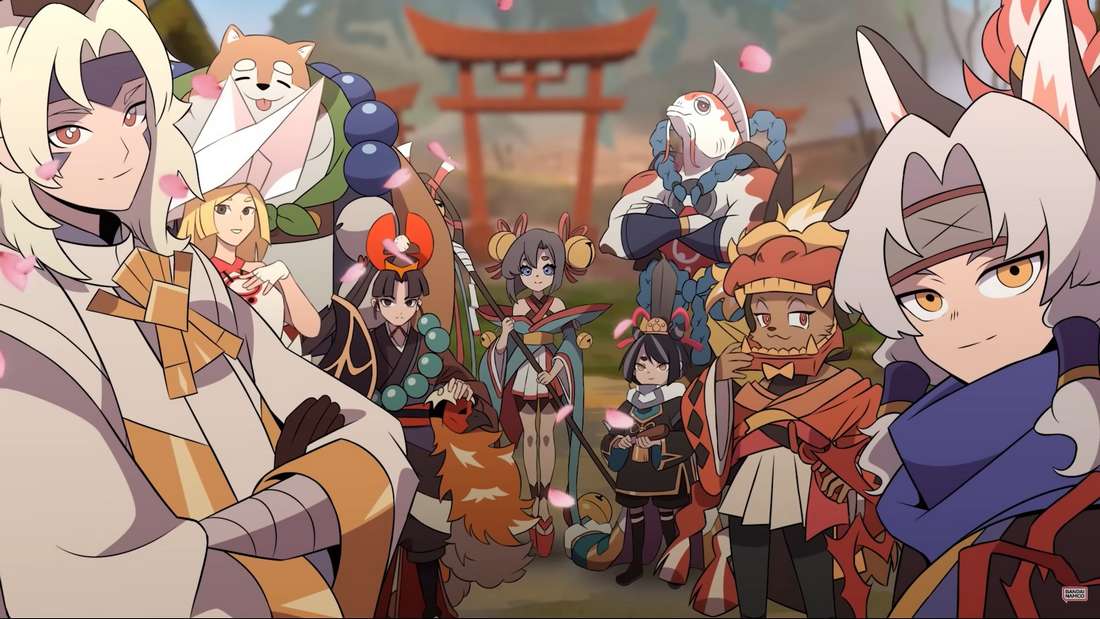 The gaming landscape is constantly evolving, yet some challenges remain timeless, resonating with players seeking profound difficulty and narrative depth. Among the recent releases that have captured the attention of the gaming community, Towa and the Guardians of the Sacred Tree stands out—not just for its mesmerizing visuals and intricate lore, but for its unyielding difficulty that many are attributing to a pervasive ‘Hades’s shadow’. This isn’t merely a difficulty setting; it’s a design philosophy that threads through every encounter, every narrative beat, and every moment of player progression, raising questions about accessibility versus artistic vision in modern RPG adventures.
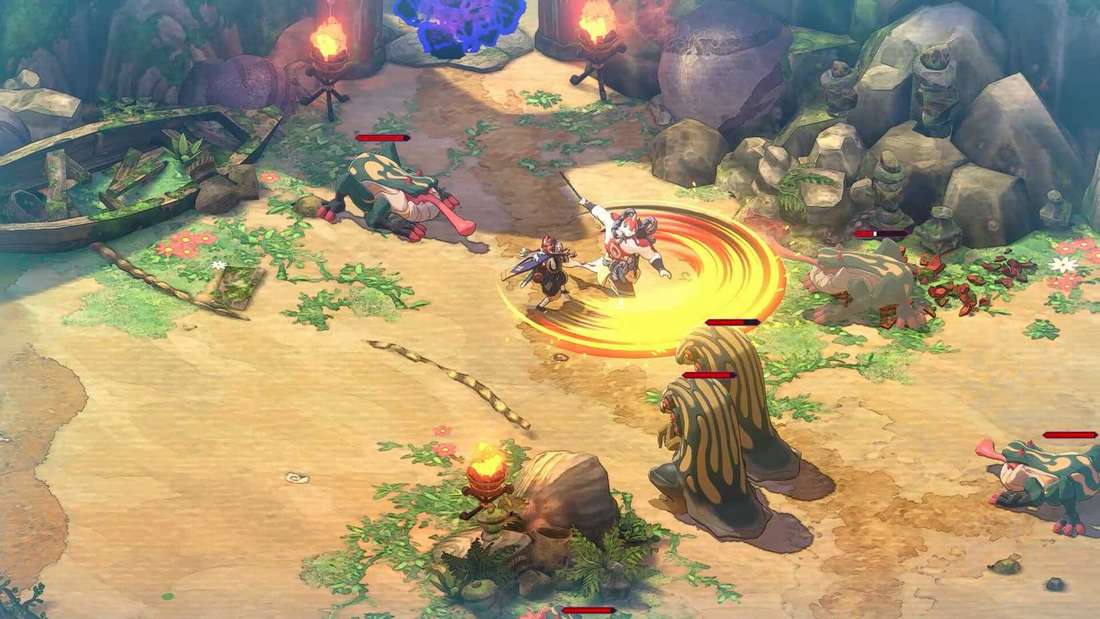
From the moment players embark on their journey to protect the Sacred Tree, an ancient artifact vital to the balance of their world, it becomes starkly clear that this will be no casual stroll through a vibrant fantasy realm. The developers have deliberately crafted an experience where the presence of overwhelming forces—symbolized by the ‘Hades’s shadow’—is a constant, oppressive factor. This shadow manifests in several critical ways: punishing enemy AI, environmental hazards designed to exploit player weaknesses, and a scarcity of resources that forces constant strategic combat and resource management. It’s an action RPG that demands mastery, patience, and a willingness to confront failure repeatedly.
Unpacking the ‘Hades’s Shadow’: Design Philosophy and Player Impact
The term ‘Hades’s shadow’ has become a shorthand within critical reviews and player forums to describe the game’s particularly unforgiving nature, drawing parallels to the rogue-like dungeon crawler, Hades, renowned for its cyclical challenges and brutal difficulty. In Towa and the Guardians, this shadow isn’t just about high damage numbers or tanky bosses. It’s a holistic approach to game design that emphasizes consequence and tactical precision. Every decision, from character build to combat engagement, carries significant weight. Mistakes are heavily penalized, often leading to swift defeat and a return to the last checkpoint, which can feel punishingly distant.
This challenging gameplay structure serves multiple purposes. For a segment of the gaming audience, particularly those who revel in high-stakes environments and the satisfaction of overcoming formidable odds, it’s a masterclass in modern difficulty. The sense of achievement after felling a particularly tough boss, or navigating a treacherous dungeon filled with elite adversaries, is immense. This aligns perfectly with the high-CPC keyword ‘challenging RPG,’ drawing in players specifically looking for a profound test of skill and endurance. However, for others, particularly those new to the genre or seeking a more relaxed narrative experience, the constant pressure and steep difficulty curve can lead to frustration and potential abandonment.
- Relentless Enemy Design: Adversaries exhibit unpredictable attack patterns, formidable defenses, and often coordinate their assaults, making traditional hack-and-slash tactics ineffective.
- Scarce Healing and Resources: Health regeneration and crucial items are limited, forcing players to strategize every potion use and equipment upgrade.
- Unforgiving Checkpoint System: Progress often feels tenuous, as significant chunks of gameplay can be lost after a single misstep, amplifying the game’s risk-reward mechanics.
- Environmental Hazards: Beyond direct combat, the world itself is often an enemy, with traps, fall damage, and status-inflicting areas adding layers of complexity to exploration.
 The Narrative Weight of Perpetual Struggle
Beyond mechanics, the ‘Hades’s shadow’ deeply intertwines with the game’s narrative depth. The Guardians of the Sacred Tree are not portrayed as invincible heroes; rather, they are beleaguered protectors fighting an increasingly losing battle against an encroaching darkness. This theme of perpetual struggle, of holding back an inevitable tide, is powerfully mirrored in the gameplay. The player’s frequent defeats and arduous progress are not just game mechanics; they become an integral part of the storytelling, deepening the emotional connection to Towa and her companions’ plight.
This immersive narrative experience, while harrowing, resonates strongly with players who appreciate ‘story-rich RPGs’ and ‘epic fantasy adventures’ that don’t shy away from grim realities. The game uses its difficulty to reinforce its themes of perseverance, sacrifice, and the enduring spirit in the face of overwhelming odds. It transforms moments of despair into narrative triumphs when success is finally achieved, making the victories earned feel incredibly meaningful. This strategic integration of gameplay and story contributes significantly to its critical reception, positioning it as a thought-provoking entry in the ‘indie game’ space with AAA ambitions.
Optimizing Performance and Post-Launch Engagement
Given the intense demands placed on players, performance optimization is paramount. Initial reports lauded the game’s stable frame rates and crisp visual fidelity on various platforms, from high-end PCs to current-gen consoles, providing a smooth canvas for its challenging encounters. Developers have also been proactive with post-launch updates, addressing minor bugs and balancing issues, demonstrating a commitment to enhancing the player experience. This ongoing support is crucial for a title that relies heavily on its core gameplay loop and demands technical precision from players.
The burgeoning online community around Towa and the Guardians is another testament to its impact. Forums and social media platforms are abuzz with players sharing ‘gameplay tips,’ ‘build guides,’ and ‘strategy discussions’ to overcome the game’s numerous hurdles. This collective effort to unravel the game’s secrets and conquer its ‘Hades’s shadow’ indicates a vibrant and engaged player base, often a hallmark of successful, albeit difficult, titles. Such community engagement further solidifies its position as a noteworthy ‘new release RPG’ that fosters genuine interaction and collaborative problem-solving among its players.
 The Verdict: A Masterpiece of Masochism or Misguided Difficulty?
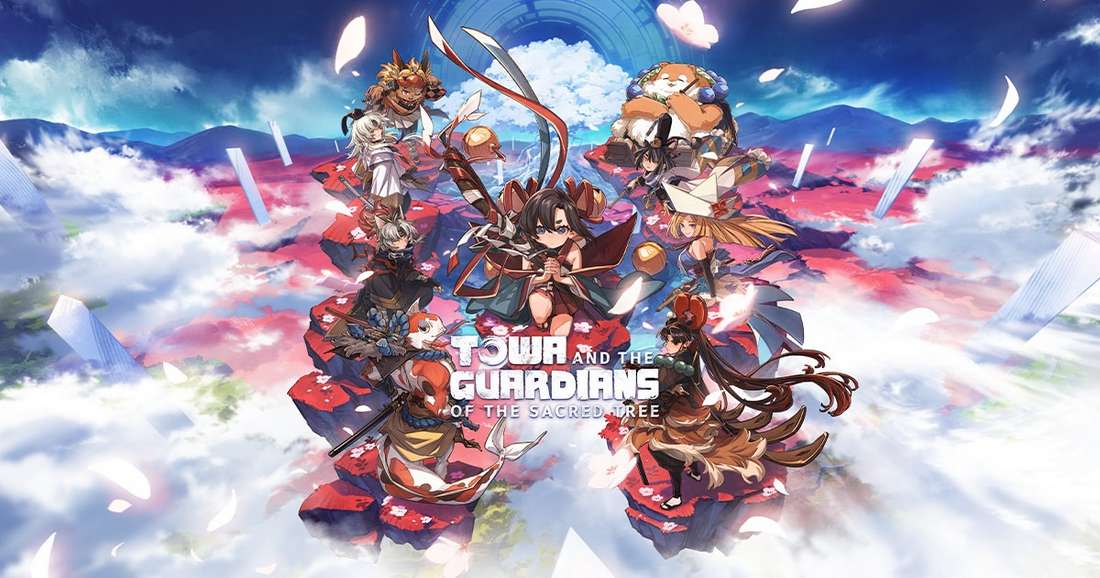
Ultimately, Towa and the Guardians of the Sacred Tree will not be for everyone. Its ‘Hades’s shadow’ is a formidable barrier, one that will undoubtedly deter some players seeking a more casual gaming experience. However, for those who embrace the challenge, who find satisfaction in mastering complex mechanics and overcoming seemingly insurmountable odds, it offers a profoundly rewarding and deeply immersive ‘gaming experience’. It stands as a powerful argument for game design that prioritizes artistic vision and difficulty as integral components of its identity, rather than catering solely to broader market accessibility.
In a world where many titles are criticized for being too easy or too guided, Towa and the Guardians defiantly carves its own path. It’s an RPG adventure that demands respect, rewards perseverance, and leaves an indelible mark on those brave enough to confront its darkness. Its struggle against ‘Hades’s shadow’ isn’t just a narrative element; it’s a testament to the player’s own resilience, making every victory feel truly earned. For enthusiasts of ‘dark fantasy RPGs’ and ‘challenging action-adventure games,’ this title is an essential digital download that promises countless hours of intense, high-stakes gameplay, proving that some shadows are worth battling, even if escape feels impossible.