
The Witcher 3: Unveiling the Radical Shifts in Geralt’s Romance Paths During Development








Popular Now
 League of Legends
 Free Fire Max
 God of War Ragnarök
 Stumble Guys
 Call of Duty
 Rust
Rust
 Brawl Stars
 Sonic the Hedgehog™ Classic
 Fortnite
 Minecraft
 Unveiling the Radical Shifts in Geralt’s Romance Paths During Development
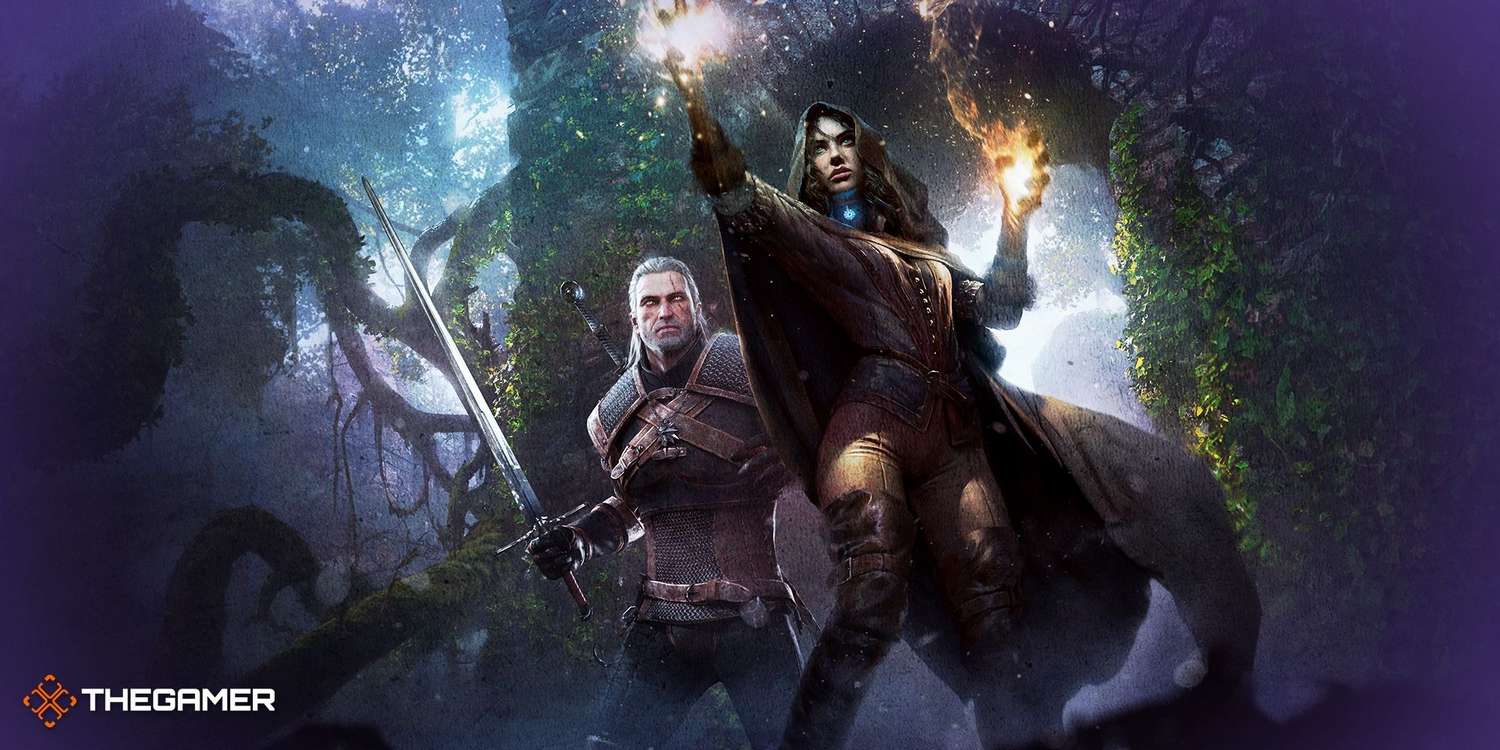
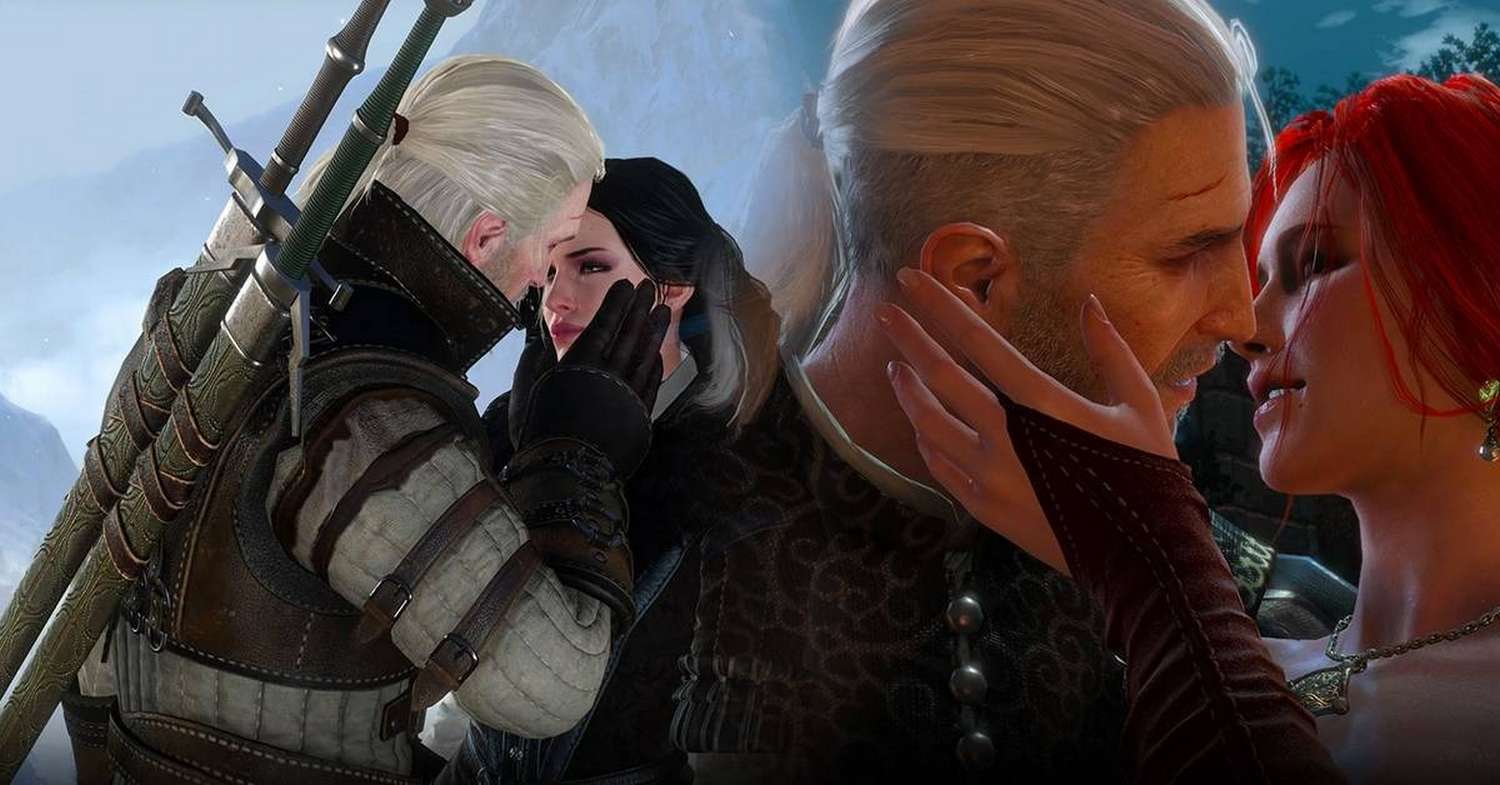
The Witcher 3: Wild Hunt stands as a monumental achievement in the realm of action role-playing games, lauded for its expansive open world, intricate narrative, and profound player choices. Among its most celebrated and debated elements are the sophisticated romance options available to Geralt of Rivia, intertwining intimately with the game’s overarching themes of destiny and free will. Yet, recent insights into the game’s rigorous development cycle reveal that the beloved romance system, particularly the pivotal relationships with Yennefer of Vengerberg and Triss Merigold, was far from set in stone. Early design iterations considered radically different approaches, offering a fascinating glimpse into the evolution of one of gaming’s most impactful narrative experiences.
For many players, the choice between the fiery sorceress Yennefer and the compassionate Triss defines their journey through the Northern Kingdoms. These relationships are not merely side quests but deeply woven threads that influence dialogue, character interactions, and even certain quest outcomes, adding immense replayability and personal investment. The final implementation, which famously allows for a critical, exclusive choice, or even the potential to pursue both disastrously, has garnered both praise for its realism and criticism for its limitations. However, developer discussions suggest an initial vision that embraced a far more expansive, albeit potentially less focused, spectrum of romantic possibilities.
The Early Vision: A Broader Canvas for Geralt’s Affections
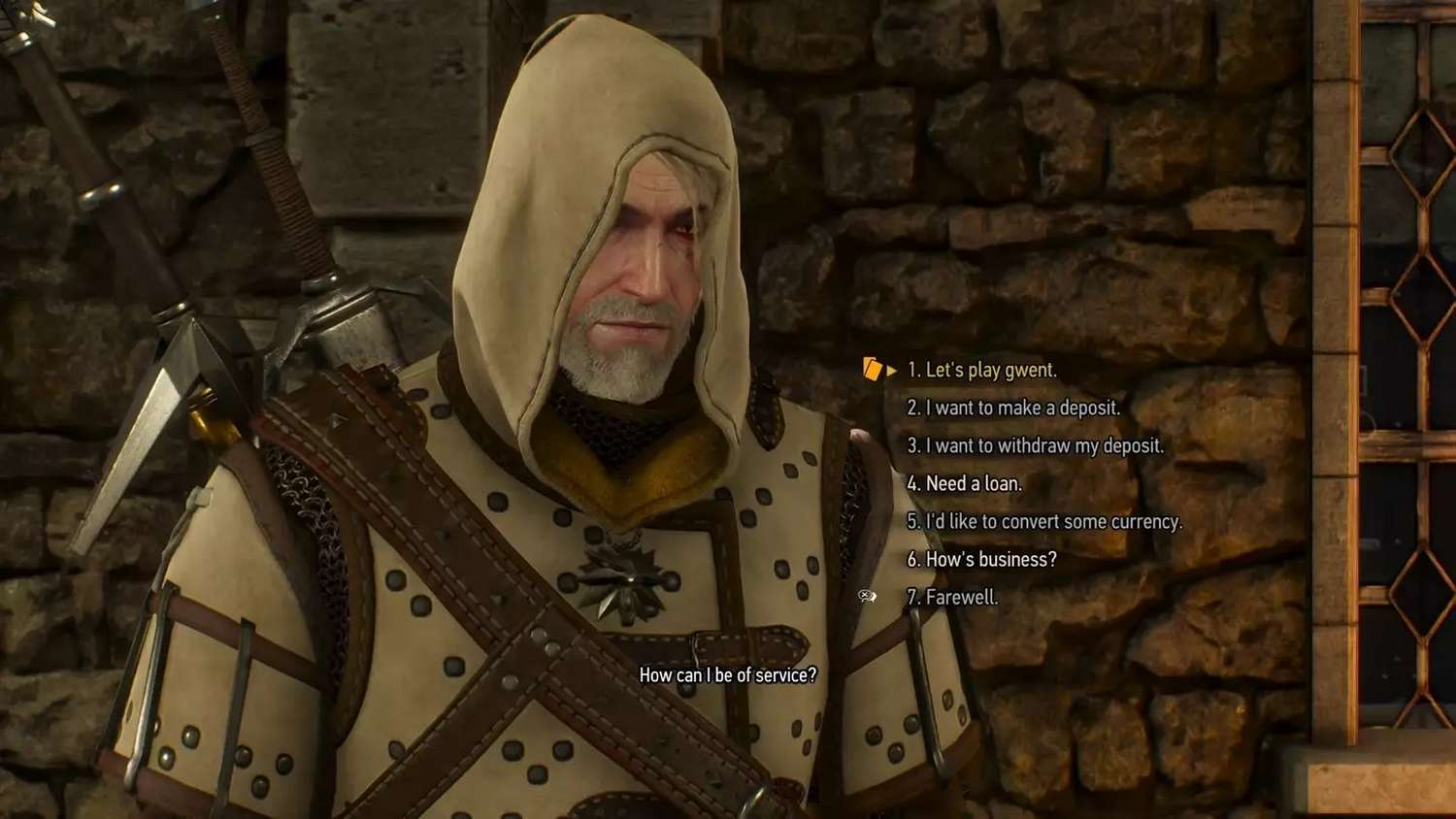
Sources close to the development cycle, including past developer interviews and unearthed design documents, indicate that CD Projekt Red explored concepts that would have dramatically altered Geralt’s romantic landscape. One significant divergence from the final product revolved around the sheer number of potential romantic interests. While the final game features several fleeting encounters and two primary, enduring loves, initial thoughts reportedly entertained the idea of making a wider array of characters genuinely romanceable, each with their own unique story arcs and consequences. This early design philosophy aimed to maximize player agency, allowing Geralt to pursue connections with characters who ultimately remained platonic allies or minor NPCs.
This broader approach would have presented significant challenges for narrative coherence and voice acting demands, potentially diluting the emotional impact of the primary relationships. The decision to narrow the focus to Yennefer and Triss, while retaining nuanced interactions with others, appears to have been a deliberate choice to enhance narrative depth and strengthen the thematic core of Geralt’s long-standing connections. This iterative refinement is a common, yet critical, aspect of high-stakes game development, where ambitious initial concepts often yield to more polished, focused experiences after rigorous testing and narrative evaluation.
Navigating the Design Crossroads: Narrative Focus vs. Player Freedom
The tension between offering extensive player freedom and maintaining a cohesive, impactful narrative is a perpetual challenge in RPG mechanics. For The Witcher 3, the developers ultimately opted to emphasize the deeply established lore and the complex history Geralt shares with Yennefer and Triss. This strategic decision solidified their roles as central figures in Geralt’s personal saga, making the player’s choice between them not just a romantic preference, but a profound declaration of loyalty and destiny.
Consider what a more open-ended system might have entailed:
- Diluted Emotional Impact: Spreading emotional investment across too many characters could have lessened the weight of any single relationship.
- Narrative Fragmentation: Crafting unique, consequential arcs for numerous romances would have exponentially increased the complexity of the main quest, potentially leading to a less focused main storyline.
- Development Resource Strain: Each additional major romance would require significant investment in writing, voice acting, animation, and unique quest content, impacting other areas of the game.
- Lore Consistency: Maintaining consistency with Sapkowski’s rich Witcher lore regarding Geralt’s pre-established relationships would have become exceedingly difficult with an overly flexible system.
These considerations highlight the intricate balancing act that game designers face when crafting immersive storytelling experiences. While a wider array of options might seem appealing on paper, the practicalities of high-fidelity game production often necessitate strategic pruning to ensure quality and coherence.
The Unseen Branches: Consequences of Cut Content
The revelations surrounding these earlier romance concepts offer valuable insight into the iterative nature of video game development. Every major design decision, particularly in a narrative-heavy RPG like The Witcher 3, carries significant weight and potential consequences. Had CD Projekt Red pursued the initial, more expansive romance model, the game’s identity might have shifted dramatically. The infamous ‘threesome’ choice, for instance, which results in Geralt losing both Yennefer and Triss, might have been designed differently, or perhaps not even existed in its current form, if the core romantic connections were less central and exclusive.
The current system, despite its perceived limitations by some players, directly feeds into the game’s themes of difficult choices and unavoidable consequences. Geralt is a man caught between two powerful women, each representing different aspects of his past and future. This specific dramatic tension would undoubtedly have been diffused had there been an easier path to romantic entanglement with a multitude of other characters. The final product instead forces players to confront hard decisions, reflecting the harsh realities of the Witcher world and enhancing the game’s reputation for meaningful player choice.
 CD Projekt Red’s Philosophy and Enduring Legacy
The journey from early concept to final product for The Witcher 3’s romance system epitomizes CD Projekt Red’s commitment to delivering a rich, player-driven narrative, even if it means refining ambitious initial ideas. Their philosophy often prioritizes narrative impact and character depth over unchecked freedom, ensuring that choices, when presented, carry significant weight. This approach has not only defined The Witcher series but also influenced wider gaming industry trends toward more mature and emotionally resonant storytelling.
Ultimately, the final romance options in The Witcher 3, while perhaps narrower than some early visions, have become a cornerstone of the game’s enduring legacy. They provided players with unforgettable dilemmas and emotional investments that continue to spark discussion years after its release.