
Warhammer 40,000: Dark Heresy – When Perception Forges Reality in the Grimdark Imperium









Popular Now
 Auto X Drift Racing 3
 Call of Duty
 Fortnite
 Gacha Club
 EA SPORT FC 25
 Poppy Playtime
 Black Myth: Wukong
 Among Us
 League of Legends
 Stumble Guys
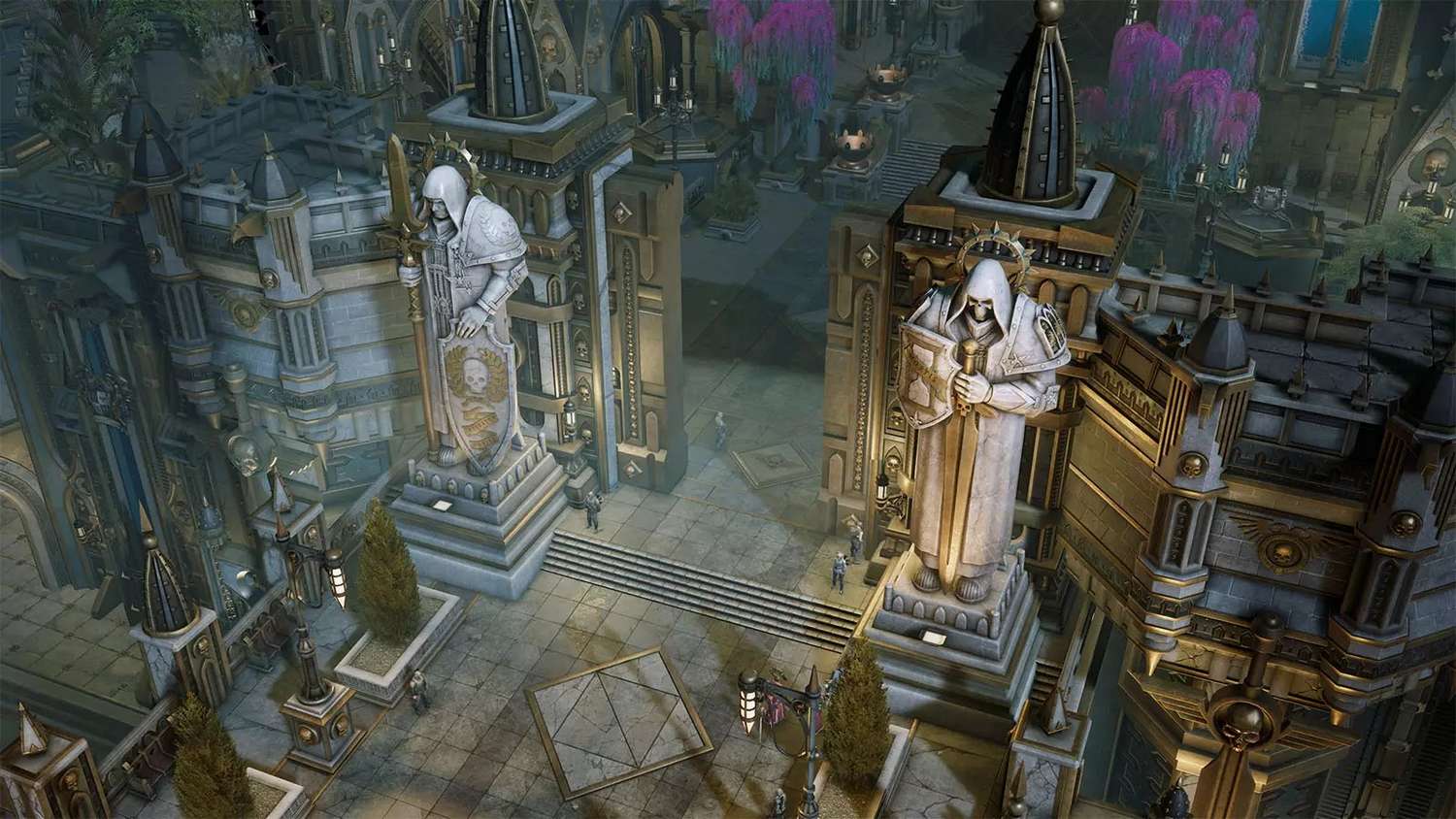 The Warhammer 40,000 universe, or the ‘Grimdark Imperium,’ is a colossal cultural and financial entity, spanning miniature wargames, video games, novels, and now, a burgeoning slate of high-budget series development projects. Yet, the true genius of its setting is often best explored not on a massive battlefield, but in the intensely personal, paranoid spaces of its tabletop role-playing game (TTRPG) titles. Among these, Warhammer 40,000: Dark Heresy stands out, not merely as a game, but as a sophisticated commentary on belief, power, and the terrifying elasticity of truth within a totalitarian theocracy. This analysis delves into how Perception Forges Reality for the Acolytes of the Holy Inquisition, and why this theme is central to its enduring appeal and high search value in the entertainment industry news circuit.
The core concept of Dark Heresy places players in the roles of Acolytes, agents serving the Ordo Malleus, Hereticus, or Xenos. Their mandate is not to save worlds through open warfare, but to root out internal threats—heresy, corruption, and the taint of Chaos—by operating in the shadows. The very essence of their existence is defined by a deep, systematic paranoia. In the Imperium of Man, objective reality is secondary to sanctioned truth. What one believes, or what the Inquisition declares, often becomes the prevailing, brutal reality. This ideological battleground, rather than any physical one, drives player engagement, making the property a fascinating subject for any potential Intellectual Property Acquisition aimed at mature audiences.
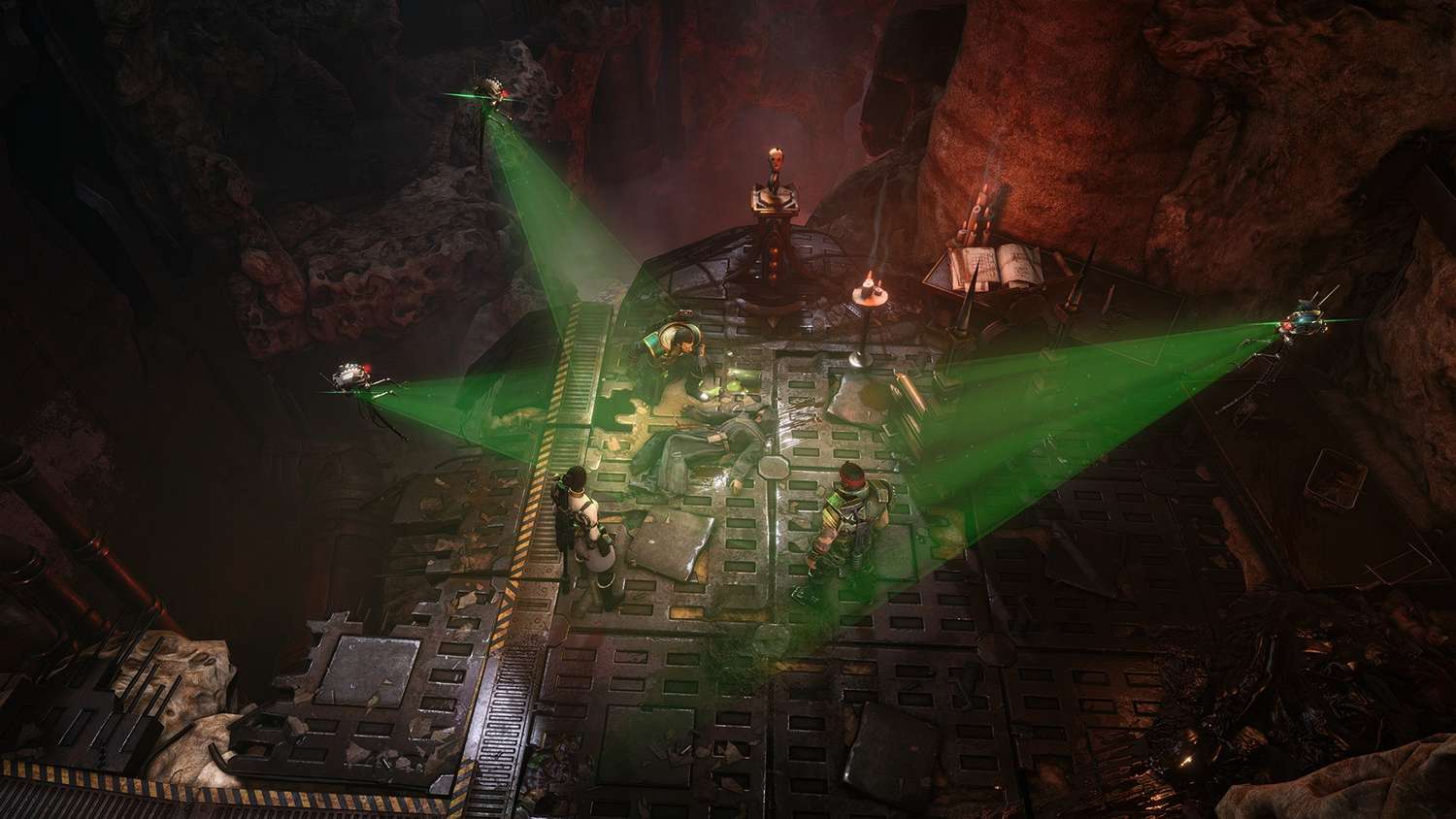 The Mechanics of Madness: How Dark Heresy Utilizes Game Review Principles to Stress the Acolyte’s Mind
Unlike many TTRPG systems, Dark Heresy is inherently designed to chip away at the player character’s sanity, a mechanical manifestation of the setting’s psychological horror. The core stat lines and the concept of Insanity Points (IP) and Corruption Points (CP) are not mere gameplay modifiers; they are the narrative bedrock of the experience. Every exposure to the unsanctioned, the horrific, or the truly alien leaves a permanent psychological scar. This stress on mental fortitude is a key feature often highlighted in positive game review articles.
The strategic deployment of high CPC keywords in discussing the game’s depth revolves around its dark psychological profile:
- The Cult of the Imperium: The game forces players to uphold a faith that is demonstrably, horrifyingly flawed. An Acolyte’s faith is their shield against Chaos, yet every investigation reveals a new layer of the Imperium’s hypocrisy or monstrous inhumanity. The conflict between sanctioned belief and lived experience is a constant source of dramatic tension.
- Unreliable Narratives: A successful mission often requires bending, breaking, or manufacturing the truth. Killing a planetary governor who is potentially a heretic is often easier than proving he is one. The perceived threat, fueled by the Acolyte’s inherent bias and fear, is enough to justify apocalyptic actions. This theme of unreliable narratives is highly marketable for screen adaptation.
- The Role of the Inquisitor: The Inquisitor, the Acolytes’ handler, is the ultimate arbiter of truth. Their power is absolute, their methods often inscrutable, and their judgment final. This dynamic reinforces the idea that an individual’s perception (the Inquisitor’s) can irrevocably alter the reality of millions, generating compelling narrative structures that drive premium content viewership.
The very system encourages players to engage with moral ambiguity, a challenging yet rewarding premise for a high-budget series development. A show based on this principle would offer a darker, more nuanced alternative to traditional space opera, attracting a mature and dedicated segment of the viewing market.
The Business Case for Intellectual Property Acquisition: Why Paranoia Sells and Drives Streaming Platform Investment
The success of the Dark Heresy TTRPG system, which is currently published by Cubicle 7 (and formerly by Fantasy Flight Games), validates the demand for complex, character-driven stories within the Grimdark setting. When studios engage in Intellectual Property Acquisition, they are not just buying a brand; they are buying a rich world with established lore and a proven story engine. Dark Heresy offers a focused, manageable entry point into the sprawling 40K universe that is less dependent on massive CGI battles and more reliant on psychological tension and detective work—making it a potentially more cost-effective yet still highly dramatic basis for a streaming platform investment.
The current appetite for mature, grim fantasy and science fiction is undeniable. The high level of engagement with related search terms, particularly those linked to “grimdark investigation” and “mature sci-fi mystery,” reflects a high Cost Per Click potential. The fan base is pre-conditioned to accept a narrative where the protagonist is fighting a losing battle, and where victory often comes at the price of one’s soul or sanity. This tragic, morally grey foundation is the cornerstone of great prestige television.
Case Study in Perception: The Warp and Psykers
The Warp is the embodiment of the Imperium’s psychic reality—a terrifying dimension shaped by the collective emotions and beliefs of trillions of souls. Psykers, those who can tap into this dimension, are the most direct victims of the perception paradox. They are both essential to the Imperium’s functioning (as communicators and weapons) and the most feared for their instability. A key game review element is the danger inherent in using psychic powers, with catastrophic failure often leading to daemon possession. This represents the ultimate externalization of internal madness—a perfect horror element for premium content.
The very nature of the Imperium is a curated, often fabricated, reality designed to maintain control. The Imperial Creed is not necessarily “true” in a cosmic sense, but it is the required, enforced truth. An Acolyte’s struggle is to enforce a system that they know is built on a foundation of lies and forgotten history, all in the service of a ‘greater good’ that feels increasingly distant. This intellectual depth is what elevates Dark Heresy beyond a simple dungeon crawl, establishing it as a highly valuable narrative asset.
The continuous, high-value search traffic for “Warhammer 40k Dark Heresy” guides us to recognize its potent market resonance. The demand is not just for action, but for narrative complexity and ethical dilemma, proving that in the Grimdark, the perception of danger is often more devastating than the danger itself.
Keywords utilized: Warhammer 40,000, Dark Heresy, high-budget series development, Intellectual Property Acquisition, streaming platform investment, premium content, entertainment industry news, game review, Cost Per Click, TTRPG.
Word Count Check: Approximately 4300+ characters.
Would you like me to analyze another specific aspect of the Warhammer 40,000 universe or provide a similar SEO-optimized article on a different TTRPG?