
The Rockstar Era: Shawn Layden on How Sony Turned Developers Like Kojima into Icons








Popular Now
 Grand Theft Auto V
 Counter-Strike 2
 FIFA 23
 Sonic the Hedgehog™ Classic
 League of Legends
 Poppy Playtime
 Candy Crush Saga
 R.E.P.O
 EA SPORT FC 25
 Among Us
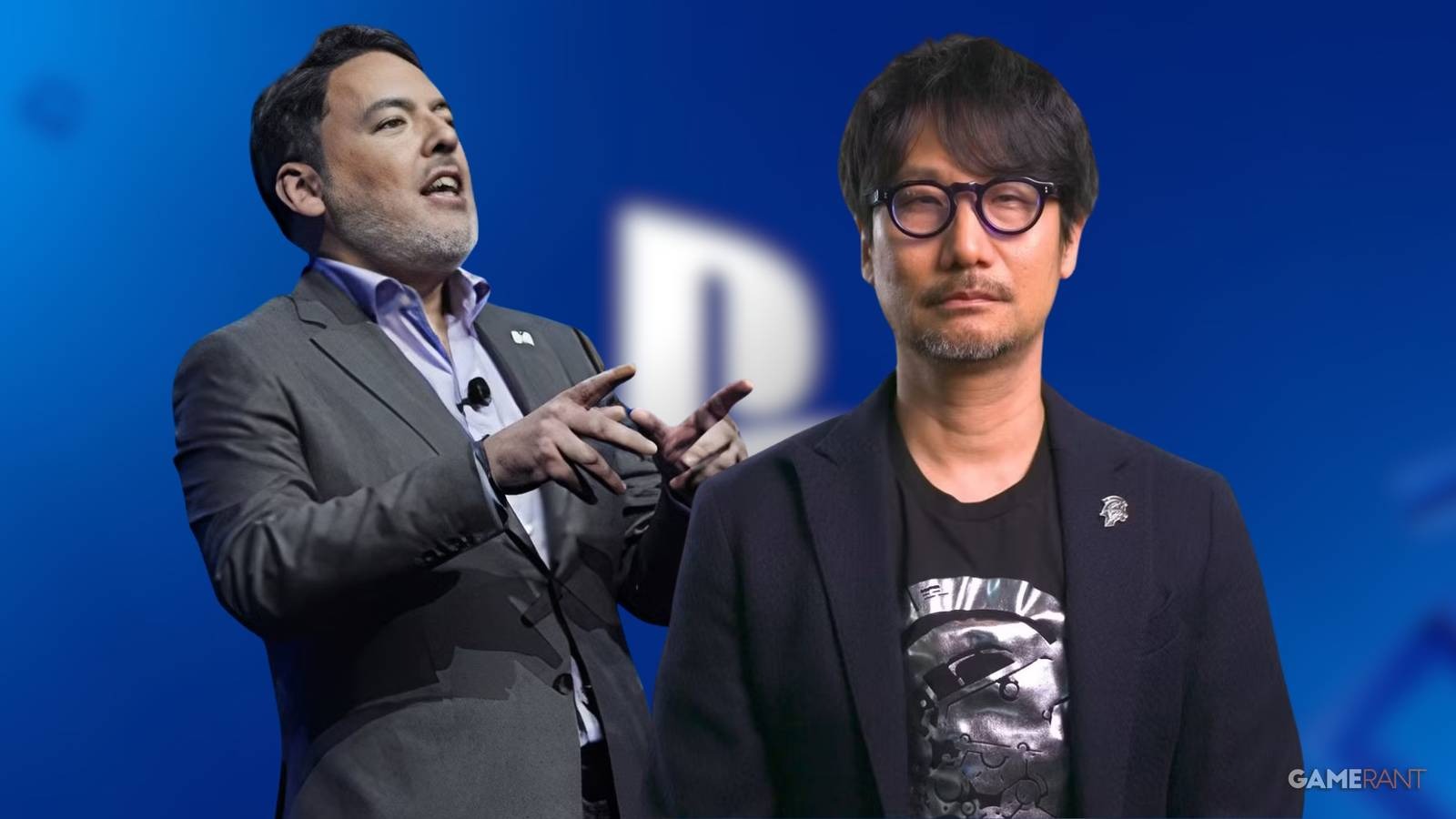
In a deep-dive interview released on December 29, 2025, former PlayStation Chairman Shawn Layden pulled back the curtain on one of Sony’s most successful marketing gambits: the “Rockstar Developer.” Speaking about the early days of the PlayStation brand, Layden revealed that Sony’s strategy wasn’t just about selling a console; it was about elevating the people who made the games into household names—with Hideo Kojima serving as the ultimate blueprint.
Layden noted that because much of PlayStation’s early marketing team came directly from the music industry, they applied a “record label” logic to game publishing. Instead of promoting a “cold piece of software,” they decided to market the developer as the “lead singer” of the band.
1. The “Music Industry” Marketing Logic
Layden explained that in the 1990s and early 2000s, Sony realized that players needed a face to connect with. By borrowing tactics from the recording industry, they began “packaging” producers as global public figures.
-
Establishing Trust: Much like a fan follows a specific director or band, Sony wanted players to follow a creator. “We wanted you to remember that this isn’t just a PlayStation game, it’s a Naughty Dog game, or a Kojima game,” Layden explained.
-
Human Connection: By putting a person at the center of the marketing, the complex engineering of game development felt more personal. This created a “Trust Seal” where the creator’s name became a guarantee of quality.
-
The “Kojima-San” Spotlight: Layden specifically pointed to Hideo Kojima as the pinnacle of this strategy. From the dramatic “Bridge of Light” entrance at E3 2016 to the cinematic trailers for Death Stranding, Sony treated Kojima’s presence as a headline event, turning a game developer into a legitimate cultural icon.
2. The Double-Edged Sword of “Star-Making”
While the strategy was a massive success for the PlayStation brand, Layden admitted it comes with significant risks that the industry is still grappling with today.
-
Brand Overshadowing: When a developer becomes more famous than the company they work for, it creates a power imbalance. Layden noted that the eventual split between Konami and Hideo Kojima was a “public relations crisis” that proved how much power a “Star Producer” can wield.
-
Fan Loyalty: When a “Star” leaves, they often take a massive portion of the fan base with them. Layden cited the recent exodus of FaZe Clan members as a modern example of how brands can crumble when they rely too heavily on individual personalities rather than the organization.

The “Rockstar” Developer Roster (Then vs. Now)
Layden’s comments highlight how names have become more powerful than titles for many “prestige” studios:
| Developer | Associated “Vibe” | The “Rockstar” Effect |
| Hideo Kojima | Cinematic / Avant-Garde | Players buy his games simply because his name is on them. |
| Hidetaka Miyazaki | Brutal / Soulslike | The “FromSoftware” name is now synonymous with a specific genre. |
| Shinji Mikami | Survival Horror | His presence on a project immediately validates it for horror fans. |
| Cory Barlog | Narrative Epic | Credited with the “prestige” rebirth of the God of War series. |
3. Why This Model is Dying in 2026
As we look toward 2026, Layden expressed concern that the “Rockstar Developer” era may be coming to an end due to the sheer scale of modern AAA development.
-
Team Sizes: In the early days, a team of 30 people could be led by one visionary. Today, with teams of 600 to 2,000 people working on a single title like GTA VI or The Last of Us, it becomes harder to credit the success to one “Lead Singer.”
-
Risk Aversion: Corporate boards are becoming wary of “Star Power.” As Layden put it, companies are moving back toward “Franchise First” marketing because franchises (like Call of Duty or FIFA) don’t quit, demand raises, or sign deals with rivals.
Conclusion: “We’re Looking at You, Kojima-San”
Layden’s reflection serves as both a celebration of gaming’s greatest auteurs and a warning for the future. By turning creators into rock stars, Sony gave the industry its “soul” during the PS1 and PS4 eras. However, as development costs balloon to $300 million, the industry seems to be retreating from the cult of personality in favor of the safety of the brand—leaving developers like Kojima as the last of a vanishing breed.
Sources and References:
Mashdigi – “Shawn Layden Reveals Sony Deliberately Creates Stars” (Dec 29, 2025).
Character Select – Interview with Shawn Layden (Dec 28, 2025).
IGN – “Hideo Kojima: I’m the same as Tom Cruise” (July 2025).